.png)
I Want to Read The Anxious Generation… But I’m Afraid It’ll Confirm I’m Ruining My Kids
My workplace (the early education center I own) has been pushing The Anxious Generation as our community book club pick, led by one of our senior teachers. And here’s my honest, slightly dramatic confession:
I want to read it. I really do. But I’m scared.
Not “boo, a ghost!” scared. More like “what if this book adds one more item to the invisible clipboard the Internet is holding over my head” scared.
Because if you’re parenting in 2026, you’ve probably noticed that modern parenting comes with an endless stream of messages that basically translate to:
“Everything you do matters… and you’re probably doing it wrong.”
Especially when it comes to screens.

And yes—before anyone jumps in: I agree that too much screen time can be rough on kids (and adults). I limit it. I also… use it. Absolutely. Because we live in a digital world, and sometimes the screen is not “the enemy”—it’s the tool that lets you make it through the grocery store without someone licking the cart handle.
So instead of making screens the villains, what if we focused on something more realistic?
How do we live in harmony with screens—without drowning in guilt?
First: The Guilt Is Loud. The Advice Is Not.
The “parent like it’s the nineties” trend makes me laugh because… hi, I was raised in the 90s.
We didn’t have iPads, but we absolutely had screen time:
Saturday morning cartoons
movie marathons
computer games that came on floppy disks (I can hear the dial-up tone in my soul)
nintendos and gameboys

So no, screens didn’t suddenly appear and steal childhood. Childhood has always been influenced by the world we’re living in.
And that’s what makes this screen-time debate so exhausting: parents are stuck in a no-win public situation.
If your child is loud or wiggly (even happily), you get judged for not “teaching them patience.”
If you hand them a screen so you can finish checking out, you get judged for “kids these days.”
And if you’re trying to do neither, you’re just… trying not to cry in Aisle 7.
Where is the real advice—the kind parents can actually execute?
What the Research Actually Says (Hint: It’s More Nuanced Than “Screens Are Bad”)
Here’s what I find both comforting and frustrating: the best, most current guidance is moving away from one-size-fits-all screen limits and toward the bigger picture—what screens are replacing, how they’re used, and whether they’re becoming compulsive.
1) “Screen time” isn’t just a number anymore
The American Academy of Pediatrics has been emphasizing that quality and context matter, and that “screen time” is just the visible tip of a much bigger “digital ecosystem.”
In other words: two hours of a kid video-chatting Grandma is not the same thing as two hours of doom-scrolling videos designed to never end.
2) Screens can create a loop: kids feel bad → they use screens → they feel worse
A large meta-analysis highlighted a “vicious circle” in younger kids: more screen time can predict emotional/behavioral problems later, and kids who already feel anxious or dysregulated may turn to screens to cope.
That doesn’t mean screens are evil. It means screens are powerful—especially when they become the main coping skill.
3) What screens displace matters a lot (sleep, movement, connection)
Research repeatedly points to the same pressure points: sleep gets shorter, movement gets smaller, and in-person connection can get thinner when screens dominate. The CDC has reported associations between higher non-school screen use and things like depression/anxiety symptoms and irregular sleep routines in teens.
And for little ones, the World Health Organization’s guidance is blunt about what matters most: less sitting, more sleep, more active play—because early childhood development runs on movement and interaction.

4) Even the experts debate how much is screens vs. everything else
This is important: not everyone agrees on how direct the cause-and-effect story is. A Nature review pointed out that the evidence is complicated and that “screen time” might be getting too much blame while other drivers of teen mental health are also at play.
So if you’re afraid The Anxious Generation will hand you a verdict—remember: this topic is real, but it’s also complex.
So What’s in The Anxious Generation—and Why Does It Freak Parents Out?
From what’s publicly shared about the book, Haidt’s big idea is that childhood shifted from “play-based” to “phone-based,” and that this change lines up with rising anxiety and depression in teens.
He also proposes a set of “four norms,” like delaying smartphones, delaying social media, phone-free schools, and more independence/free play.
If you’re a parent reading that list, it can land like:
“Cool. Add ‘single-handedly reverse society’ to my Tuesday.”
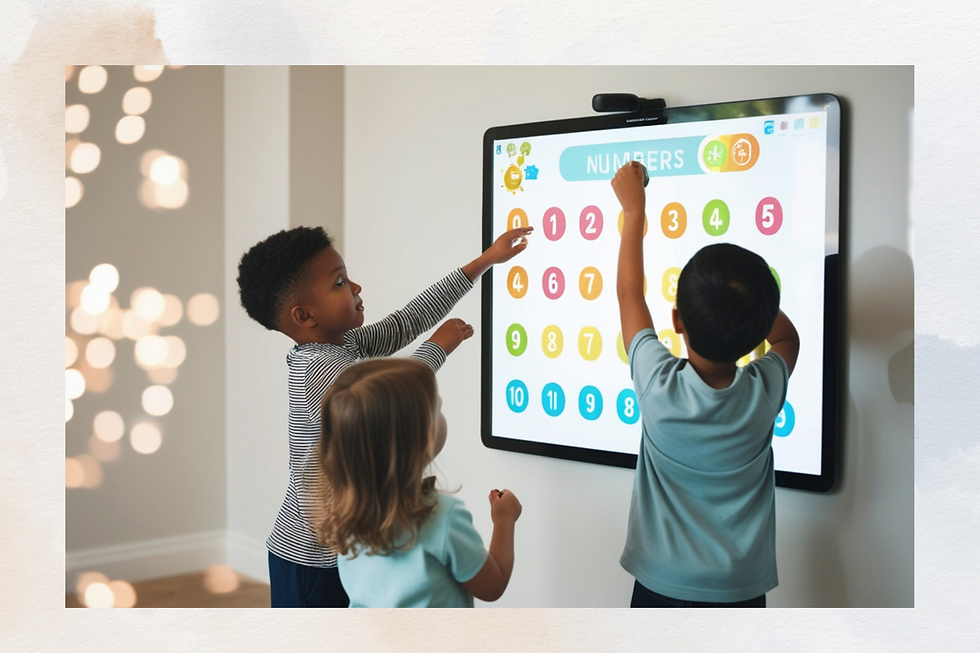
And that’s exactly where I think a lot of parents get stuck: we don’t need another reason to feel like failures—we need realistic ways to lead our kids through the world we actually live in.
My “Harmony With Screens” Approach (Real Advice You Can Actually Use)
Not a perfect plan. Not a purity challenge. Just a few anchors that work in real houses with real kids.
1) Give screens a job description
Screens are going to show up—so decide what role they play:
Tool: a show while you cook, a map, a video chat, a learning game sometimes
Treat: family movie night, a weekend game, a travel day lifesaver
Red flag: the only way we ever calm down, the only way we ever transition, the only way we ever stop fighting
If screens are the only coping skill in the house, that’s the signal—not the minutes.
2) Protect the “Big Three” first: sleep, sweat, and social
If screens aren’t messing with these, you’re usually in a safer zone:
Sleep (especially at night—screens love stealing bedtime)
Sweat (daily movement: outside, inside, dancing in socks, snow football in 10 degrees… yes, I’m that mom)
Social (face-to-face connection, even if it’s messy and loud)
This is basically what a lot of modern guidance circles back to: screens become more problematic when they displace healthy basics.
3) Shift from “How much?” to “How is it affecting us?”
Ask:
Are transitions worse?
Are emotions bigger?
Are mornings harder?
Are we fighting about it constantly?
Because when screens start driving the mood of the house, that’s information you can work with—without spiraling into shame.
4) Use a plan you don’t have to invent from scratch
The AAP has a free Family Media Plan tool that helps you create boundaries based on your family (not a viral infographic made by someone who has never once tried to leave Target with children).
A Tiny Truth I’m Trying to Hold Onto
We are not raising kids in the 90s.
We are raising kids now.
And “now” includes devices.
So maybe the goal isn’t to eliminate screens. Maybe the goal is to raise kids who can live with screens without being owned by them—and to raise parents who can guide that without living in constant guilt.
Call to Action: Try This “One Week Screen Truce”
This week, pick one small change that makes your home feel better (not perfect). Examples:
“Screens after school happen after snack + outside time.”
“No screens during meals (adults included… yes I said it).”
“We’re making a ‘boredom basket’ so screens aren’t the only option.”
“We’re moving devices out of bedrooms for sleep protection.”
Then come tell me what you picked—and how it went (the wins and the chaos). If you’re part of our book club community, read along with us too… and let’s talk about the parts that feel helpful, and the parts that feel heavy.
Because parents don’t need more judgment.
We need support, honesty, and real-life strategies that work in Wisconsin winters and in grocery store checkout lines.


Comments